

BY: MADDY BOLDEN
PUBLISHED: OCT 19, 2026 2:24 CT
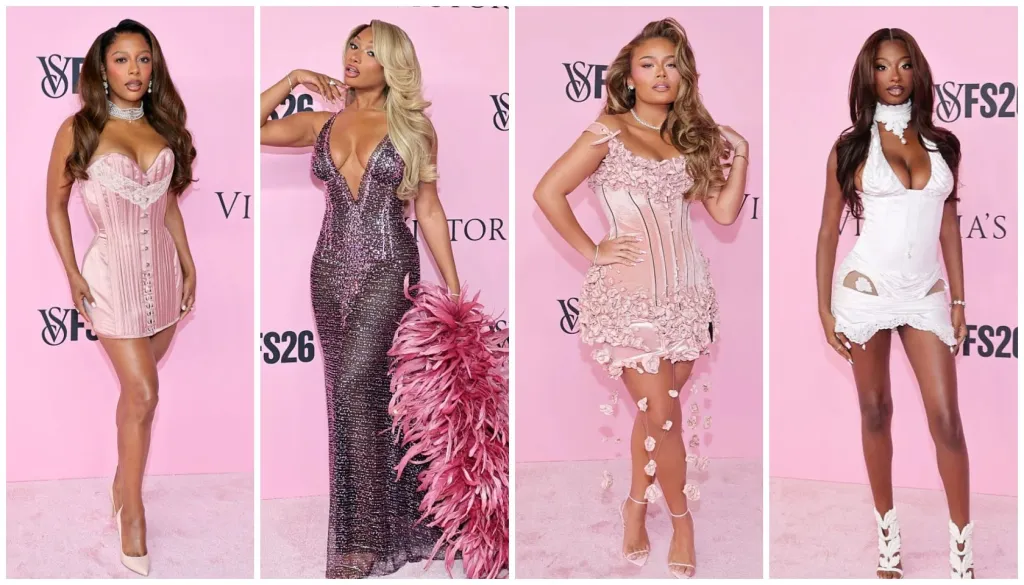
On October 18, 2026, the Victoria’s Secret Fashion Show returned to the runway in Los Angeles, bringing together some of the fashion industry’s most recognizable models, new faces, and musical performers. Known for its glamorous lingerie, elaborate wings, and high-profile appearances, the show has become a major part of popular culture. However, beyond the fashion and entertainment, the 2026 show also created an opportunity to discuss diversity, representation, and the changing standards of beauty in the fashion industry.
Victoria’s Secret has faced criticism in the past for promoting a limited image of beauty. For years, its runway was associated with a particular body type and appearance, leaving many women feeling that they were not represented. Following a period of criticism and the cancellation of its original show format, the brand returned in 2024 with an effort to present a more inclusive image. The 2026 show continued that conversation by featuring models from different racial and cultural backgrounds, different body types, and different identities.
One of the most important aspects of the 2026 fashion show was the visibility of Black women and other women of color. Models such as Anok Yai, Joan Smalls, and Precious Lee brought Black representation to the runway. Their presence is important because Black women have historically faced barriers in the fashion industry, including limited opportunities and narrow expectations about which features and skin tones are considered desirable. Seeing these women featured on a globally recognized runway helps challenge those expectations.
Other models of color also contributed to the show’s international representation. Imaan Hammam, Liu Wen, Adriana Lima, and Alex Consani were among the models who appeared in the 2026 show. Their different backgrounds and experiences demonstrate that the fashion industry can celebrate women with a variety of appearances and identities. The show also featured Ashley Graham, Paloma Elsesser, and Devyn Garcia, who have helped broaden conversations about body representation in fashion.
The importance of diversity goes beyond simply having different models walk across a stage. Representation can influence how people view themselves, their culture, and their place in society. When young Black girls see models such as Anok Yai and Joan Smalls celebrated on a major platform, they can see examples of success within an industry where people who look like them have not always received equal visibility. Representation can also help audiences recognize that beauty is not limited to one skin tone, body type, or cultural background.
The show’s message about inclusion also connects to the broader idea of confidence and individuality. Women should be able to express themselves and feel represented without having to fit into one specific standard. By including models with different body types and identities, Victoria’s Secret has an opportunity to show that women can be celebrated for their individuality. The participation of transgender model Alex Consani also reflects the wider conversation about inclusion and visibility in fashion.
However, it is important to recognize that featuring diverse models does not automatically mean a brand has achieved complete equality. True inclusion requires more than a single runway appearance. It means consistently creating opportunities, treating models fairly, representing different communities in advertising, and listening to customers whose experiences have historically been overlooked. Victoria’s Secret must continue demonstrating its commitment to inclusion beyond the annual fashion show.
The 2026 event also featured an all-women musical lineup, including Megan Thee Stallion, Tate McRae, Megan Moroney, and KATSEYE. Their performances brought together fashion, music, and entertainment while highlighting the influence women have across different areas of popular culture.
Ultimately, the 2026 Victoria’s Secret Fashion Show represents more than lingerie and glamorous outfits. It reflects an ongoing conversation about how the fashion industry defines beauty and who gets the opportunity to be seen. The inclusion of Black women and other models of color is an important part of that conversation because representation can help challenge outdated expectations and make fashion more welcoming to a wider audience.
As the industry continues to evolve, Victoria’s Secret has the opportunity to make diversity a lasting commitment rather than a temporary trend. The runway may be the center of attention for one night, but the message should extend beyond it: beauty comes in many forms, and women from different backgrounds deserve the opportunity to be represented, respected, and celebrated.